
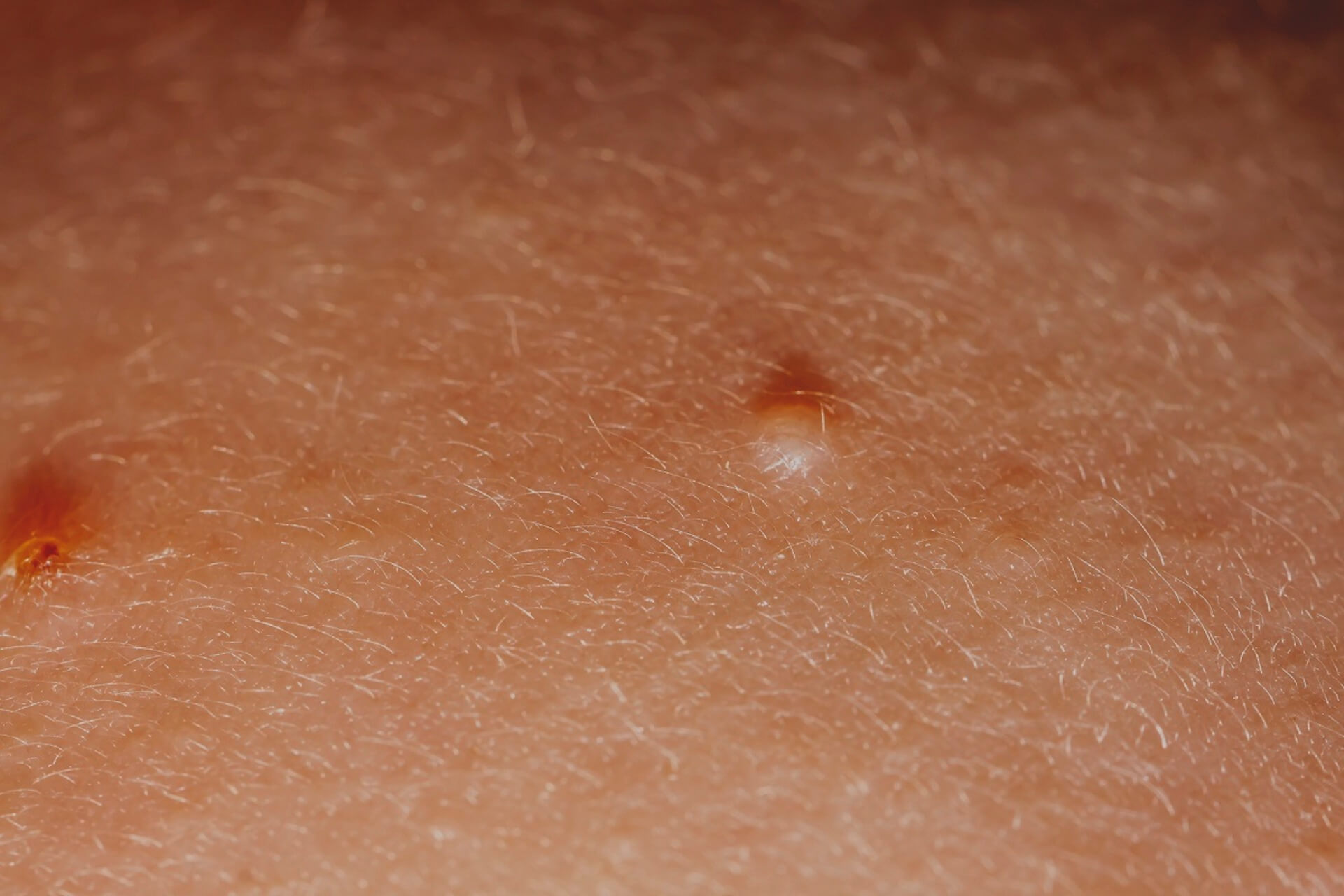
Molluscum removal for children and adults
Molluscum contagiosum are small skin nodules caused by a virus, which spread easily through contact and often affect both children and adults. Although harmless, if left untreated they can spread further and persist for months. At the Dermarevolta clinic in Bratislava, we remove them quickly and gently using curettage or cryotherapy, to stop the infection spreading and help the skin heal as soon as possible.
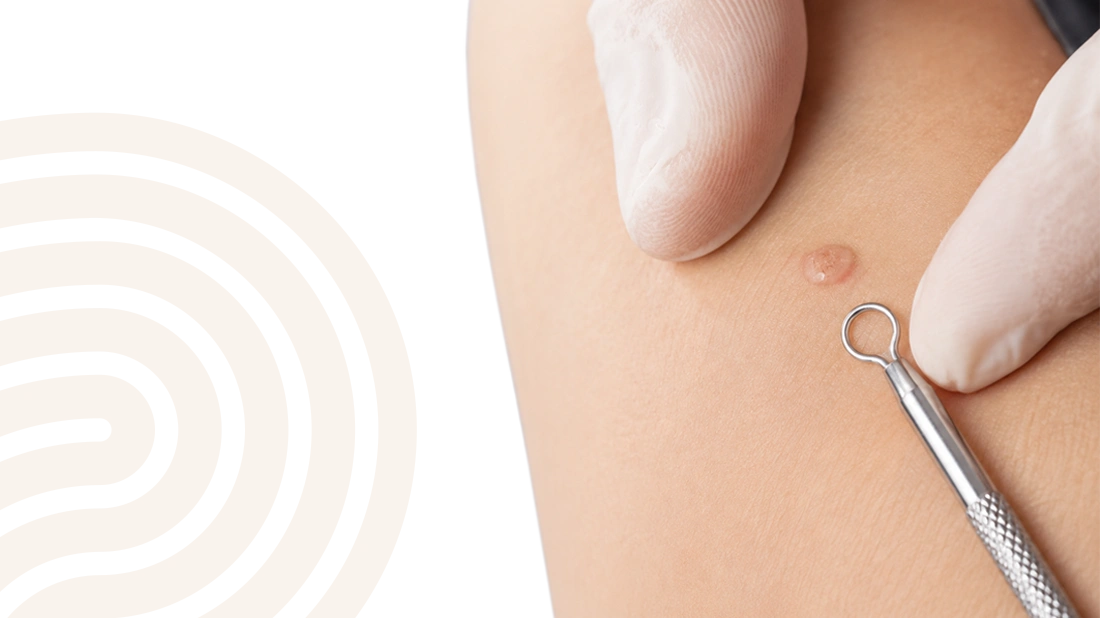


How we remove molluscum from the skin
Molluscum removal is a short outpatient procedure that stops the lesions spreading and itching. First, we treat the skin with an anaesthetic creamso that the procedure is as comfortable as possible for both children and adults. The dermatologist then removes each lesion using a surgical curette (curettage) and, depending on the findings, may add cryotherapy. Ointments and squeezing the lesions at home will not reliably remove them and risk spreading the infection and causing scarring. The number of treatment sessions depends on how many lesions are present. The wound usually heals within a week. Below, we take you step by step through the whole treatment.

Dermatological examination of the lesions
We first confirm molluscum by visual examination and dermatoscopy, distinguishing them from warts or other skin lesions. We assess the number and location of the lesions and whether the patient is a child or an adult, and plan the extent of treatment accordingly.

Numbing with anaesthetic cream
Before the procedure, we apply an anaesthetic cream to the treatment area to numb the skin. This helps children tolerate the procedure more calmly and without unnecessary anxiety. We allow the cream to take effect before starting removal.

Removal with a surgical curette
The dermatologist removes each molluscum lesion using a surgical curette, a technique known as curettage. The nodule, along with its infectious contents, is removed in full, stopping it from spreading further. The procedure is quick and is carried out precisely, lesion by lesion.

Cryotherapy for selected lesions
Depending on the location and type of lesion, we may also treat molluscum with cryotherapy, i.e. freezing with liquid nitrogen. We choose the method that is gentlest and most effective for the specific findings and the patient's age.

Wound care and scar prevention
After removal, we treat and dress the area. We explain how to care for the wound at home so that it heals smoothly, without infection and with the lowest possible risk of scarring. Healing usually takes around a week.

Follow-up and repeat treatment if lesions recur
In cases of multiple lesions, molluscum can reappear. At the follow-up visit, we check how the wound has healed and repeat the procedure if new lesions have appeared. We can also advise on how to support the immune system, which plays a role in recurrence.
How much does molluscum removal cost?
The cost of molluscum removal depends on the number of lesions, so we can only confirm the exact price after examination. Below are indicative prices from our price list based on the number of molluscum treated. The price includes numbing with anaesthetic cream as well as the removal itself. If molluscum recur after treatment for multiple lesions, we will assess at the follow-up visit whether the treatment needs to be repeated and explain the next steps. The information on this page is for general guidance only and does not replace a personal consultation with a doctor.
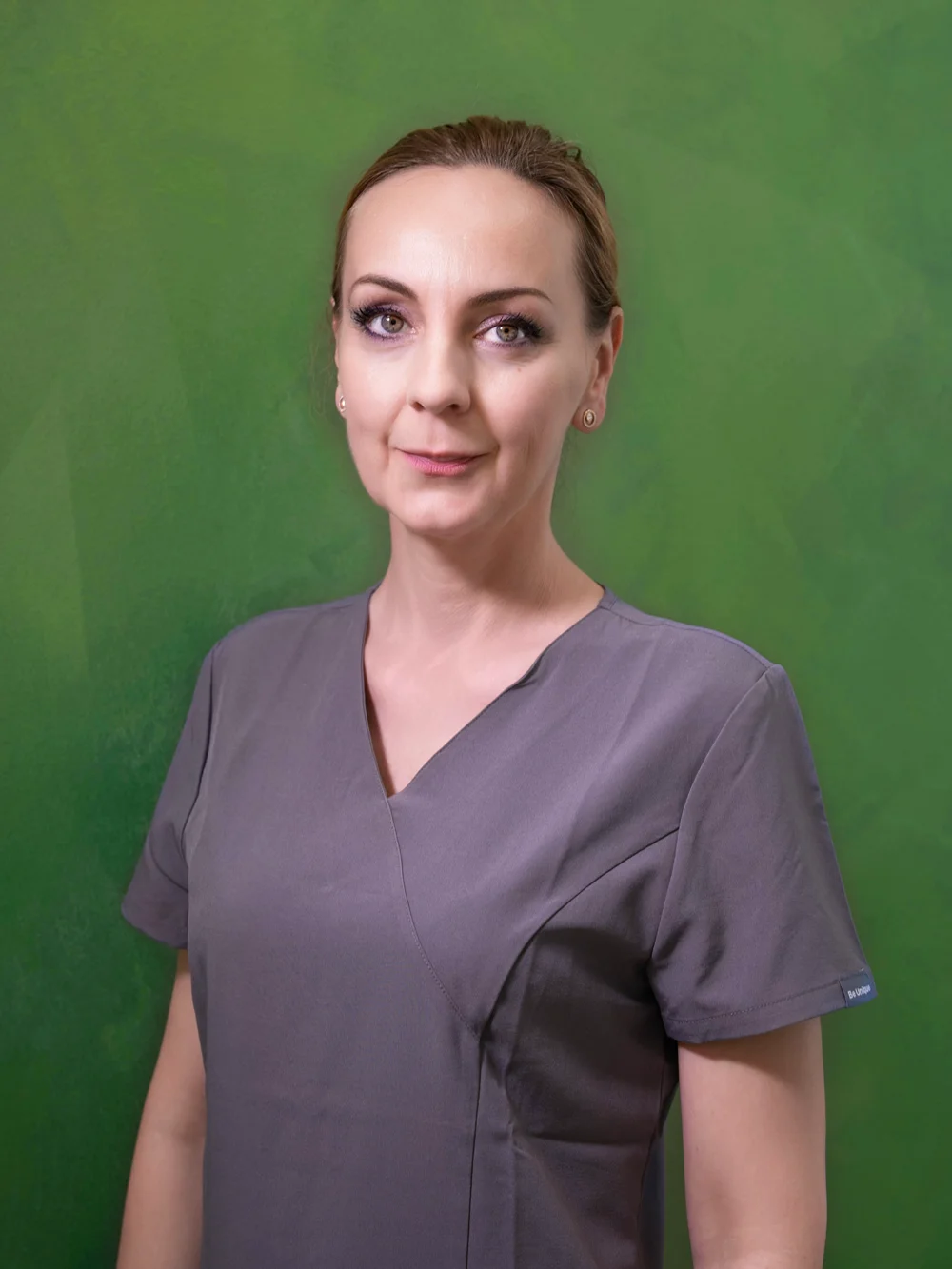
Dr Lucia Mikulášová
Board-certified surgeon, dermatosurgeryMolluscum removal at the Dermarevolta clinic is performed by Dr Lucia Mikulášová, a board-certified surgeon specialising in aesthetic and dermatosurgical procedures. She studied general medicine at the Faculty of Medicine of Comenius University in Bratislava and obtained her board certification in surgery in 2011.
During more than ten years of practice, she worked at the 2nd Surgical Clinic of the Faculty of Medicine of Comenius University and University Hospital Bratislava, as an assistant at the Faculty of Medicine and at other Bratislava facilities. Before the procedure, she professionally assesses the findings and recommends a suitable treatment method based on the extent and location of the molluscs. She emphasises a gentle approach, minimal damage to the surrounding skin and a clear explanation of home care.
When to consider having molluscum lesions removed
- Small growths with a central dimple are appearing on a child's or adult's skin and spreading to nearby areas.
- The lesions are itchy and the child scratches them, spreading the infection to other parts of the body and to other family members.
- The lesions become inflamed, red or weepy, or are located in a sensitive area where they cause discomfort or pain.
- Neither home squeezing nor over-the-counter products have removed the lesions, and new ones keep appearing.
- New molluscum lesions have appeared in a child with atopic eczema or a weakened immune system, where they tend to spread more quickly.
- You want to be sure it's actually molluscum contagiosum and not a wart or another growth that needs a doctor's assessment.

Why trust us with the removal of molluscum lesions

Dermatologist for children
The procedure is performed by Dr Lucia Mikulášová, a board-certified surgeon specialising in dermatosurgery. She removes skin lesions gently, with an emphasis on smooth healing.
Numbing before the procedure
Before removal, we apply a numbing cream so that the procedure is tolerable for both children and adults. This isn't about squeezing the lesions dry, but a targeted, gentle removal of each nodule.
We stop the infection from spreading
Molluscum lesions are contagious and spread through scratching. By removing the entire nodule along with its infectious contents, we stop it spreading to other parts of the body and to other family members.
Focus on preventing scarring
We remove molluscum lesions in a targeted way and treat the resulting wounds properly so they heal without complications. This reduces the risk of scarring, which is a particular concern with home squeezing and the resulting infection.

Guidance if the lesions come back
If molluscum lesions return in cases with multiple growths, we repeat the treatment and advise on how to support the immune system. We won't leave you without a solution or a plan if the problem recurs.

A clinic in Bratislava since 2013
The procedure takes place at the Dermarevolta clinic at Smaragdová 1 in Bratislava, which has been operating since 2013. We maintain strict hygiene and safety standards.
Our patients' experiences



Frequently asked questions about molluscum contagiosum
Molluscum contagiosum lesions are small, contagious growths caused by a virus from the Poxviridae family. They are around 1 to 6 mm in size, skin-coloured or pearly, with a characteristic central dimple. They spread through direct skin contact, shared objects (such as towels or toys) or swimming pools, and in adults also through sexual contact. It usually takes 2 weeks to 6 months from infection to the appearance of the first lesions.
In people with a healthy immune system, some molluscum lesions may resolve on their own, but this usually takes months to years, and in the meantime they can spread. We recommend removal when the lesions multiply, become itchy and cause scratching, when they're in a sensitive area, or when they increase in number in children with atopic eczema or a weakened immune system. The aim is to stop the spread and prevent scarring and complications.
The procedure is generally well tolerated by children. We first numb the treated areas with an anaesthetic cream, so the child only feels mild pressure during removal. Removing the nodule itself with a surgical curette is quick. Afterwards, the area may be tender for a few days, which can be managed with routine home care according to our instructions.
Molluscum lesions shouldn't be squeezed at home because their whitish contents are highly infectious. Squeezing them can spread the virus to the surrounding skin and to other people, and carries a risk of infection and scarring. Removal should therefore be left to a dermatologist, who removes the entire nodule under clean conditions and with proper numbing.
Molluscum contagiosum spreads through direct skin contact and indirectly via shared objects and surfaces. A few habits can reduce the risk:
- avoid sharing towels, flannels, clothing and toys,
- cover any lesions or bumps during contact sports and swimming,
- wash your hands and avoid unnecessarily scratching the lesions,
- in adults, use protection if the lesions are in the genital area.
A child with molluscum contagiosum can usually still attend nursery or other group settings, but it's important to limit the spread. We recommend covering the lesions with clothing or a plaster, especially when swimming or taking part in contact activities, and making sure the child doesn't scratch them or share towels. We're happy to give you more specific guidance based on the number and location of the lesions.
Once removed, a specific lesion won't come back, but if there were multiple lesions, new ones may appear from spots that weren't yet visible. If this happens, we repeat the treatment until no new lesions form. Recurrence is also linked to the immune system, so we'll advise you on how to support it. At the follow-up appointment, we check healing and any new lesions.
The price depends on the number of lesions. Removal of up to 7 lesions costs €80, 7 to 15 lesions €140, 16 to 30 lesions €180, and more than 30 lesions €220. The initial dermatological examination costs €60. The removal price includes numbing with anaesthetic cream as well as the procedure itself. We confirm the exact number and price after the examination.
Book an examination or consultation

Contact
Dermarevolta