
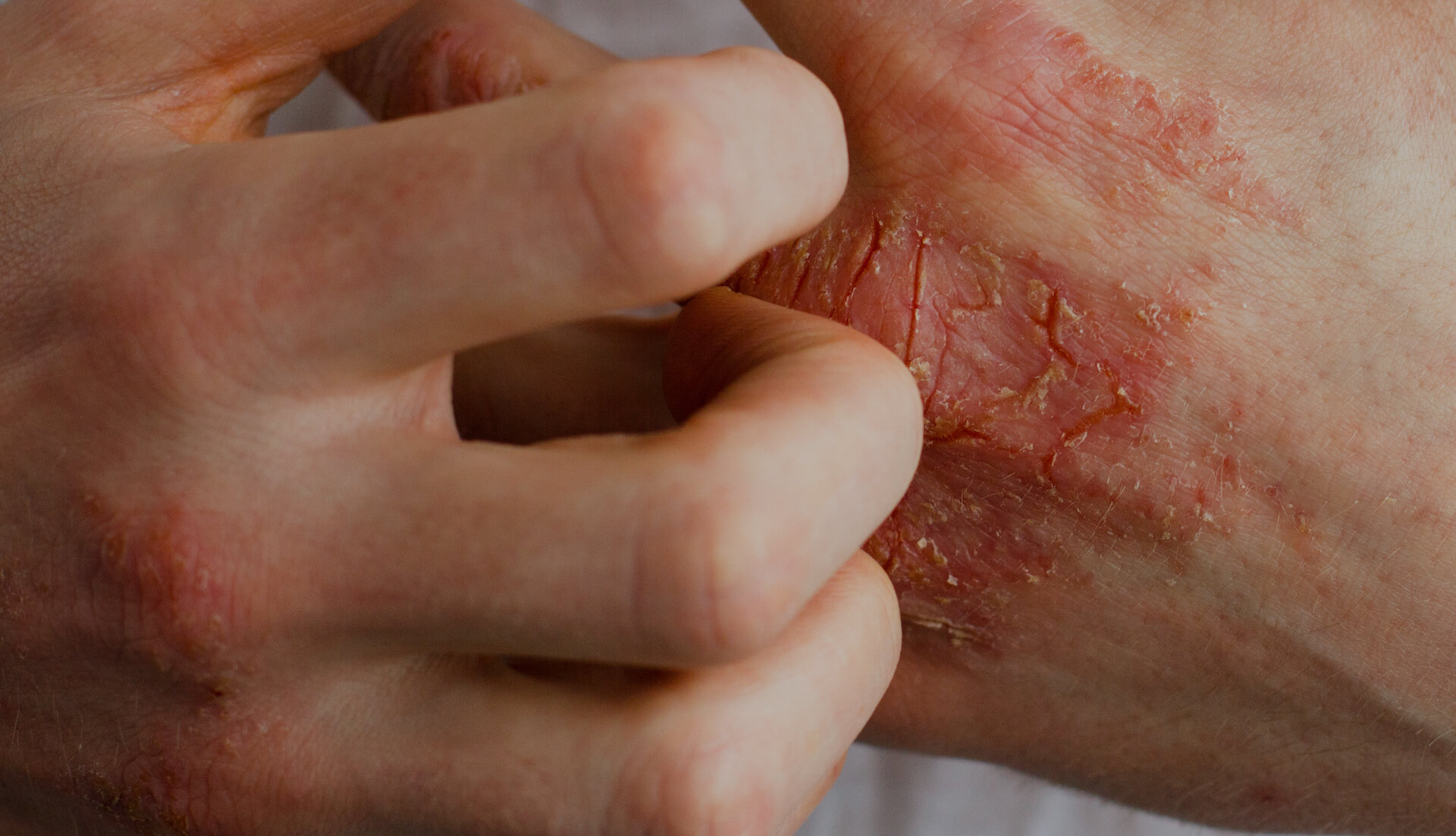
What is atopic dermatitis and why does it occur?
Atopic dermatitis is an itchy, inflammatory skin condition with a recurring course. Cases of atopic dermatitis are increasing worldwide. Accurate diagnosis and proper management of treatment are important, even in mild forms of eczema, as it is essential to prevent further progression of the condition. Diagnosis is based on a thorough medical history and examination by a dermatologist, and regular follow-up visits are key to keeping the condition under control.
A predisposition to atopy is inherited. Many internal and external factors contribute to the onset and course of this condition. The skin and mucous membranes of people with atopy are sensitive to substances commonly found in our environment, which enter the body through the skin, the respiratory tract or the digestive system. The immune system of an atopic person responds to these substances with an exaggerated reaction.
What are the symptoms of atopic dermatitis?
As a result of skin hyperreactivity, dryness and inflammation occur, ranging from small papules to patches of eczema, along with swelling, redness and sometimes weeping. Even mild skin irritation can trigger intense, sometimes paroxysmal itching, which drives the patient to excessive scratching. This further worsens the skin inflammation and leads to the formation of sores, which can act as an entry point for bacterial superinfection.
The skin manifestations of atopic dermatitis vary from patient to patient, but they share common characteristics and change with age. They can be divided into 3 stages:
- stage, and the first signs of the condition most commonly appear on the cheeks, but also on the trunk and limbs in the 2nd to 3rd month of the infant's life, as dry, red papules and vesicles that tend to merge into larger, infiltrated, reddened patches with indistinct borders, accompanied by paroxysmal itching.
- stage begins at around 2 years of age . Inflammatory changes appear more prominently in the skin folds of the limbs, on the neck, around the wrists and ankles, but can also be generalised over the entire body. They are accompanied by intense itching and often by reactive enlargement of the lymph nodes.
The 3rd stage occurs during adolescence and persists into adulthood; in addition to the face, inflammatory changes affect the trunk and limbs. The skin becomes thickened in patches, and paroxysmal itching persists. Periods of improvement alternate with flare-ups of the condition. In adulthood, allergic contact dermatitis and sensitivity to various substances, most commonly metals, often develop. Adult atopic patients may go through all the stages of the condition, or some stages may be skipped, and the condition can also reappear after a long symptom-free period.
What are the most common causes of eczema flare-ups or worsening?
- increased dryness of the atopic patient's skin (an insufficient protective skin barrier).
- irritants: frequent contact with water, soaps, detergents, laundry and cleaning products, disinfectants, chlorine, contact with wool, sand or clay.
- contact allergens and aeroallergens: house dust, dust mites, pollen, animal allergens, animal dander and mould.
- food allergens and a diet high in histamine: most commonly cow's milk, eggs, fish and seafood, citrus fruits and exotic fruit, tomatoes, celery, cocoa, poppy seeds, honey, nuts, legumes, soy, mustard, cereal proteins, sauerkraut, preserved foods, exotic spices or cured meats.
- microorganisms: bacterial infections (especially Staphylococcus aureus), viral infections of the upper respiratory tract, fungal infections (especially yeasts).
- other influences: teething, vaccination, stress, psychological changes, sweating, changes in climate, hormonal changes.
How is atopic dermatitis treated?
The basis of treatment is regular application of emollient creams and ointments to the skin, as well as the use of moisturising bath products. For each patient, it is important to find the right products for daily preventive skin care that best suit their skin. In the event of an acute flare-up, consultation with a dermatologist is essential, as they will select the most appropriate treatment on an individual basis. This usually involves systemic antihistamines to help control skin itching and intensive local anti-inflammatory treatment. The goal of comprehensive eczema treatment is to stabilise acute flare-ups and, through appropriate preventive care and lifestyle measures, to maintain a symptom-free period for as long as possible.
Can eczema be completely cured?
The most important therapeutic goal is to gain control over the clinical symptoms of the condition and the itching. With careful adherence to preventive and treatment measures, it is possible to keep the condition in a stable, symptom-free stage, which tends to improve with age and, in most children, resolves completely. However, this requires great patience from parents and patients, cooperation in eliminating possible factors that worsen eczema, establishing the right lifestyle, regular check-ups with a dermatologist, and adherence to treatment measures for skin care.
What is the correct lifestyle for this condition?
A specific lifestyle and comprehensive measures are an important part of treatment and symptom relief. It is advisable to start with preventive measures as soon as the diagnosis is identified within the family, including eliminating allergens during the final months of pregnancy and while breastfeeding. In an infant's diet, it is ideal to delay the introduction of cereals and cow's milk protein.
Nutrition has the most significant impact up to the age of 1 in a child’s life when introducing new foods. Avoid irritating foods, and try to maintain a clean, humid, cooler, dust-free environment without carpets or curtains. Choose breathable clothing and light-coloured cotton fabrics, and avoid wool. Before first use, clothing should be washed thoroughly and rinsed well, using a detergent designed for sensitive baby skin, without fabric softener. Keeping a diary can help identify and avoid the individual allergens and irritants responsible for worsening eczema symptoms in a particular patient.